Car Brake Repair: How Long Do Brake Pads and Rotors Usually Last?
August 31, 2026
Brake pads and rotors don't wear out on a fixed schedule. Two cars with the same mileage can have completely different brake life depending on traffic, terrain, driving habits, vehicle weight, and the quality of the parts already installed.
We see some drivers get long service from a set of brakes because most of their miles are steady highway driving. Others wear through pads much faster because they spend every day in stop-and-go traffic or drive in hilly areas. Mileage gives us a rough idea, but actual brake condition tells us when service is due.
Brake Pads Commonly Last 30,000 to 70,000 Miles
For many passenger vehicles, brake pads last somewhere around 30,000 to 70,000 miles. That is a broad range because driving style can dramatically affect wear.
Front pads often work harder because the front brakes handle more of the vehicle's stopping force. A heavy SUV used in city traffic can go through pads faster than a lighter car driven mostly on open roads. We measure the remaining friction material instead of replacing pads simply because the odometer reached a certain number.
Rotors Often Last Longer Than One Set of Pads
Brake rotors normally wear more slowly than pads, and a good rotor can sometimes stay in service through more than one pad replacement.
That does not mean every rotor should automatically be reused. We measure thickness and inspect the braking surface for grooves, rust, heat damage, cracking, and uneven wear. If a rotor is already close to its minimum thickness, putting a fresh set of pads against it usually does not make sense.
City Driving Wears Brakes Faster
Stop-and-go driving is one of the biggest reasons brake life varies. Every time you slow the vehicle, the pads clamp against the rotors and turn vehicle speed into heat.
A driver who spends an hour each day in traffic uses the brakes far more than someone covering the same mileage on the highway. Delivery vehicles, rideshare cars, and vehicles used for repeated short trips can wear pads surprisingly quickly because they go through so many braking cycles.
Hills and Heavy Loads Add More Heat
Driving downhill, towing, and carrying extra weight all increase the amount of work the brakes have to do.
The more weight the vehicle carries, the more energy the brakes have to absorb during a stop. Long downhill grades create another problem because the brakes can stay hot for an extended period instead of cooling between stops.
Heat affects more than pad thickness. It can glaze the pads, create uneven deposits on the rotors, and damage components when temperatures get excessive. If we see blue spots or heavy discoloration during an inspection, we know the brake system has been running hotter than normal.
A Sticking Caliper Can Destroy One Brake Early
If one pad wears much faster than the others, normal mileage is usually not the main issue.
A sticking caliper piston, seized slide pin, or restricted brake hose can keep one brake partly applied after you release the pedal. That creates constant friction and can wear out a pad and rotor in a fraction of their normal service life.
Clues include:
- One wheel producing heavy brake dust
- A burning smell after driving
- The car pulling while braking
- One rotor much hotter than the others
- One inner pad much thinner than the outer pad
- Rapid wear on one corner
Replacing the pads without correcting the caliper problem only guarantees that the new parts will wear out the same way.
Driving Style Makes a Bigger Difference Than Most People Think
Hard braking from higher speeds creates more heat and wear than slowing earlier with steady pedal pressure. Following traffic closely also means using the brakes more often.
We are not telling drivers to coast through traffic or avoid using the brakes when they need them. The point is that repeated hard stops shorten pad and rotor life. Leaving more distance and slowing earlier gives the brakes a little less work to do each time.
Regular maintenance helps here because we can track pad thickness from one visit to the next. If one axle is wearing much faster than expected, we can look for a mechanical reason before the pads reach metal.
Do Not Wait for Grinding to Check the Brakes
Grinding usually means the brake pads have already worn through most or all of the friction material. At that point, the metal backing plate can contact the rotor and damage it quickly.
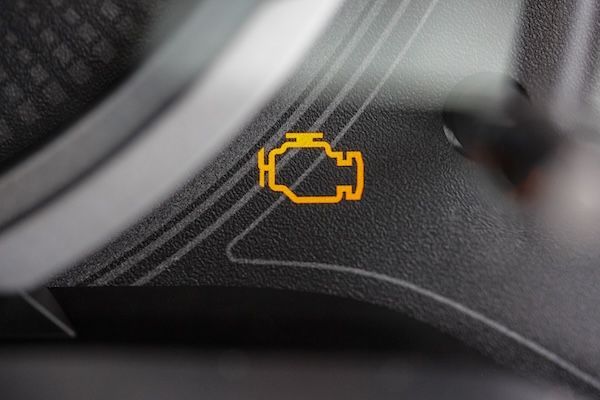
Earlier warning signs include squealing, longer pedal travel, vibration while braking, or a brake wear warning on the dashboard. Some vehicles give very little noise before the pads are close to their limit, which is why visual checks matter.
At our shop, we would rather tell you the brakes have several thousand miles left than wait until the pads are gone and a reusable rotor has been destroyed.
Brake Life Is Best Judged by Measurement
Mileage helps with planning, but brake pad thickness and rotor condition determine the repair.
A properly measured brake system tells us how much material is left, whether both sides are wearing evenly, and whether the rotors are still within specification. That gives you a real answer instead of replacing parts according to a generic mileage chart.
Get Brake Repair In Logan, UT, With Brian's Carsmart
If your brakes are getting noisy, the pedal feels different, or you don't know how much pad and rotor life is left, Brian's Carsmart in Logan, UT, can measure the brakes and check the calipers, rotors, and hardware for uneven wear.