The car takes another bounce after a dip, or it feels less settled on a stretch of road you've driven for years. Maybe it leans more when turning or noses down farther when you brake. Those changes are worth describing before you order shocks or struts.
We check how the car is behaving and look for the part behind it. Worn dampers are one possibility, but loose joints, damaged tires, tired springs, and broken mountings also change the ride.
What Shocks and Struts Do for the Ride
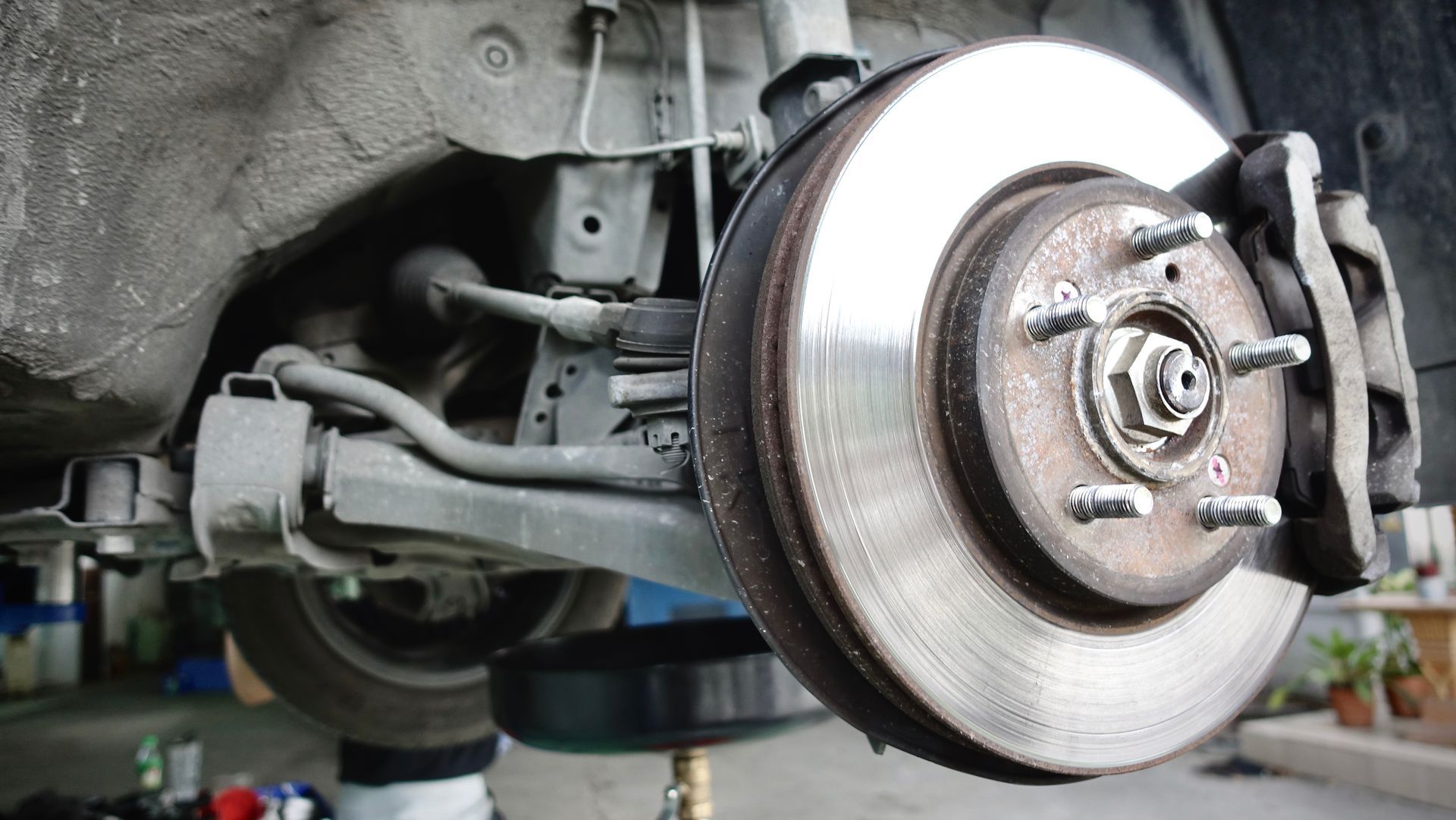
The springs support the car and let the wheels move over bumps. Shocks and struts control that movement so the body settles afterward. On cars with struts, the strut also helps hold the wheel in position, which affects both the repair and any alignment work that follows. Why does the car keep floating after a dip? Weak damping lets the movement continue longer than it should. We compare that feel with the condition of the dampers and the rest of the suspension. A sagging spring and a weak shock create different problems, even if both make the car feel wrong.
When Worn Shocks and Struts Show Up on the Road
Some drivers first notice the change with passengers aboard or while crossing several dips in a row. Others feel it during braking on rough pavement. Tell us about the road, speed, and load when it happens, including recent tire changes.
We inspect the dampers and mountings, check tire condition, and look for movement in the joints. A driveway bounce test doesn't reveal every fault. If a loose tie rod is changing the wheel's direction, fitting shocks won't fix that. The checks need to follow the driving complaint, not just the first part that comes to mind.
Suspension Leaks and Clunks Need a Closer Look
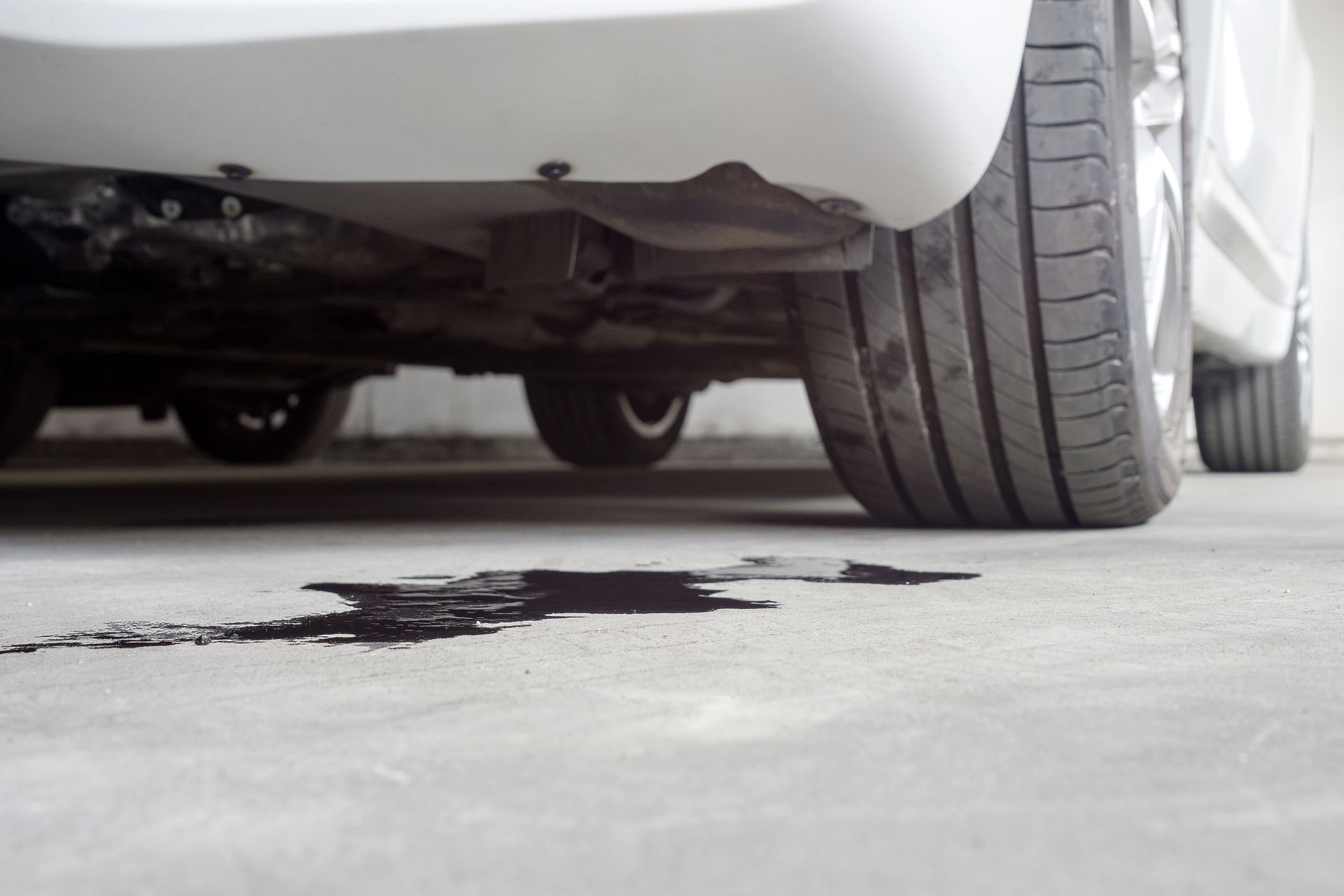
Heavy fluid leakage from a shock or strut gives us a reason to check its condition, while a light surface film needs judging against the manufacturer's guidance. We also look for damaged shafts, loose mounts, and signs that parts are making contact.
Does every clunk over a bump mean a bad strut? Sway-bar links, bushings, and other joints make similar noises. We check movement and load the parts as required to locate the sound. Mention any pothole strike or recent repair, because that changes which parts and fasteners we examine first.
Tire Wear Sometimes Points to Suspension Trouble
Scalloped tread or extra tire noise sometimes appears before the ride feels obviously weak. Damping is one possible cause, but balance, wheel damage, and other mechanical problems also create uneven wear. We look at those together so the repair addresses what's happening at the wheel.
Watch for changes such as:
- Repeated bouncing after a dip
- Extra body movement during braking
- Clunks over bumps or when turning
- More steering corrections on rough pavement
- Uneven or scalloped tire tread
- Visible leakage around a shock or strut
- A corner sitting lower than the others
You can look for these with the car parked on level ground, but don't crawl under an unsupported vehicle. Clear photos of visible damage can help explain what you've noticed before the appointment.
Some Suspension Problems Mean Stopping the Car
A broken spring, tire rubbing, visible wheel movement, or difficulty keeping the car under control needs prompt help.
Stop safely and arrange transport if the steering or wheel position feels unreliable. Another fast drive isn't a sensible test.
What about a smaller change that has built up gradually? Book a check while it's easy to describe. We separate normal aging from loose or damaged parts that need quicker repair. There is no reason to wait for severe bouncing before checking a new knock or handling change.
Shock and Strut Replacement Includes Related Checks
Dampers are commonly replaced in axle pairs when the manufacturer recommends matched performance. We also inspect mounts, boots, bump stops, and springs. Good springs don't automatically need replacing, but broken coils, sagging, or heavy corrosion change that decision.
Strut work sometimes calls for an alignment and a steering-angle procedure, depending on the design and what was disturbed. We include those steps when needed, then recheck the original complaint. The aim is to sort out the bounce, clunk, or steering change you brought the car in for.
Shock and Strut Service at Brian's Carsmart in Logan, UT
Brian's Carsmart in Logan, UT, can check bouncing, suspension noise, and uneven tire wear. Tell us about recent impacts and when the change is easiest to feel.
Book a suspension inspection before deciding whether to replace shocks, struts, or other parts.